
When you live with diabetes, your feet deserve special attention. Over the years, high blood sugar can reduce sensitivity and circulation in the feet, so a small graze or wound may go unnoticed and turn complicated. The good news is that a simple daily routine prevents the vast majority of problems. At our orthopaedics shop in Xirivella we support many people with diabetes, and we’d like to share what matters most.
A daily check that changes things
The most important habit is to look at your feet every day, in good light. If you struggle to reach or see the sole clearly, use a mirror or ask a relative for help. Look for:
- Redness, blisters, grazes or small wounds.
- Hard skin, calluses or pressure spots.
- Cracks on the heels or between the toes.
- Changes in colour, swelling, or areas warmer or colder than usual.
Catching in time a graze you can’t feel because of reduced sensitivity is often what prevents a serious complication. Turn the check into a fixed habit, for example right after your shower or before bed, so you never skip a day.
Hygiene and moisturising
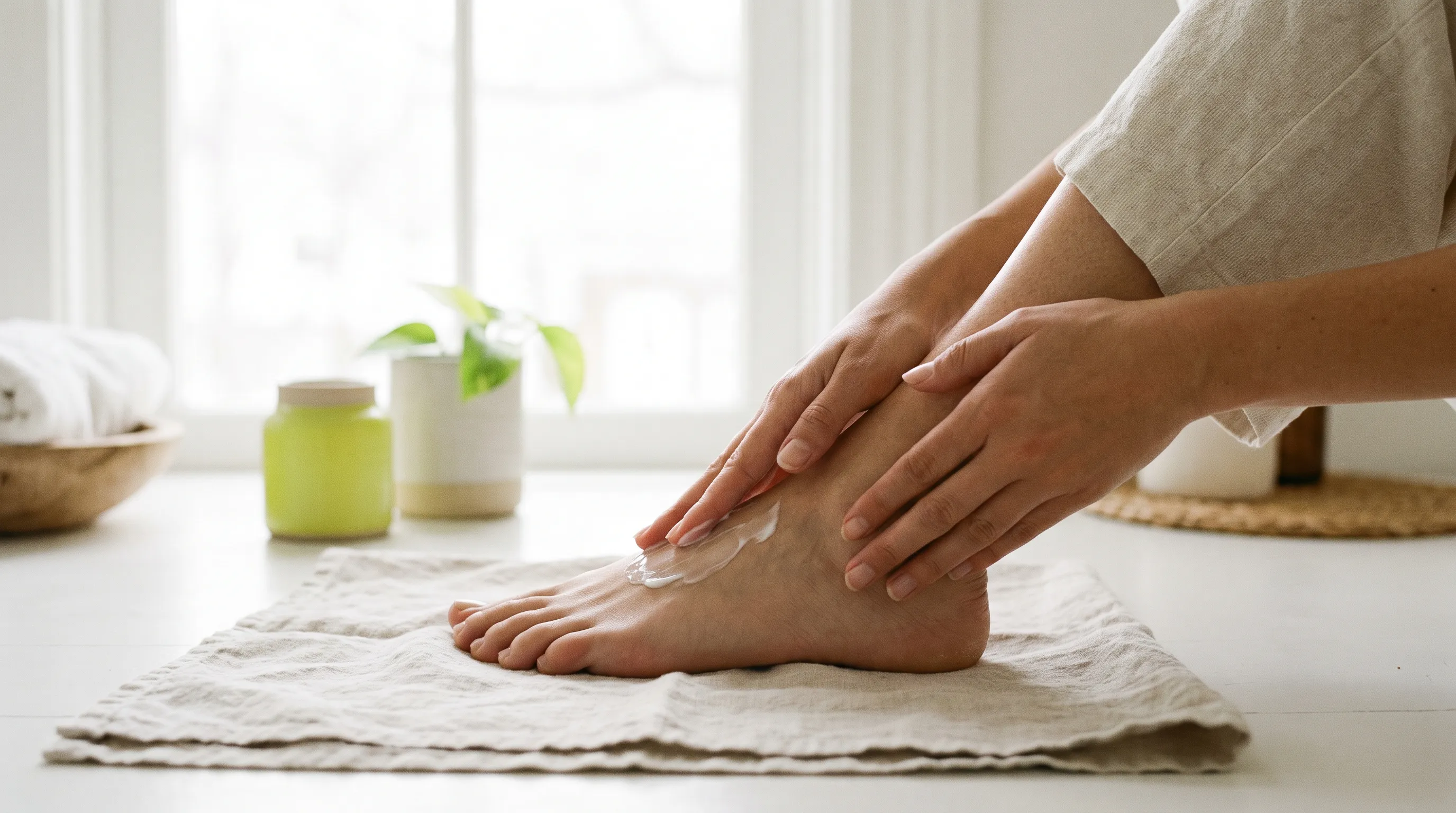
Wash your feet daily with lukewarm water (check it with your elbow or hand, never with the foot alone) and a mild soap, and dry them well, especially between the toes. Moisture there encourages infections. Then moisturise the skin to avoid cracks, but don’t apply cream between the toes.
Cut your nails straight across and gently file the corners to prevent ingrown nails. If you have hard skin or calluses, don’t cut them yourself with blades or use corn removers: leave that to a professional.
Footwear and socks matter
The right footwear is pure prevention. Choose comfortable shoes with a wide last and no inner seams that rub, and break them in gradually. Before putting them on, run your hand inside to check there are no small stones or creases. Avoid walking barefoot, even at home.
Socks are better without thick seams, made of breathable fabrics and in light colours, which make any stain or discharge easy to spot straight away. In higher-risk cases, off-loading insoles and therapeutic footwear help spread pressure and protect delicate spots; that’s something we assess individually, based on your stride and your level of sensitivity.
When to seek help without waiting
See your doctor or a healthcare professional if a wound won’t heal, an area is very red or warm, there’s a bad smell, a toe changes colour or you feel new pain. With the diabetic foot, it’s better to check too soon than too late.
In short
Diabetic foot care comes down to consistency: a daily check, hygiene, moisturising and good footwear. This guide is for guidance only and does not replace the follow-up of your medical team. If you’d like us to assess your footwear, your insoles or any pressure spot, drop by our orthopaedics shop in Xirivella; we’ll review it with you calmly.
Tags diabetes diabetic foot prevention
Ortopedia Fresneda · Xirivella · since 1989